

Jacquelyn Hafellner, PYP Coordinator and music teacher, Volksschule Leopoldinum-Smart, Graz, Austria.
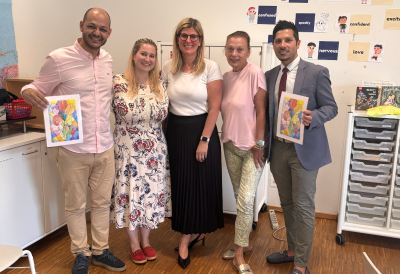
Adopting the International Baccalaureate (IB) Primary Years Programme (PYP) at our Austrian public school has been nothing short of transformative. It’s changed how we teach, how learners learn, and how our community sees education. Here’s our story of growth, challenge, and pride.
How teaching has changed
Educators have shifted from lecturers to facilitators of inquiry. Catarina, who supports children with special needs, says, “Learners work at their own pace and make meaningful connections. They feel seen and empowered.”
Sara, a religious education teacher, sees the PYP fostering critical thinking and intercultural understanding. Sandra, a classroom teacher, shares, “Instead of giving answers, I help learners ask meaningful questions. That curiosity drives their learning.”


Standards
Meeting both IB and national standards was a challenge, but it was not impossible. Bridget’s team started with overlapping subjects like science and social studies, gradually mapping national goals into six PYP units of inquiry.
Lina adds, “We create six-week units that blend curriculum targets with IB concepts like thinking and cooperation. It’s hard work, but it leads to richer learning.”
Aligning the IB with the Austrian curriculum
One of our biggest challenges was figuring out how to meet both the IB framework and the requirements of the Austrian national curriculum. It wasn’t something we solved overnight - it took time, trial and error, and a lot of collaboration. But today, we’ve found a way to blend both systems in a way that truly works for our students.
We started with what felt to be the most familiar subjects like science and social studies, where the content already overlapped with IB themes. From there, we began mapping the national standards into the six IB units of inquiry, making sure every requirement was intentionally addressed.

But we quickly realized that overlap alone wasn’t enough. We had to go further - to think transdisciplinary. That meant finding meaningful ways to connect maths, literacy, and the arts to our central ideas, so learning didn’t happen in silos. We adjusted our schedules to allow for more flexible, integrated teaching blocks. We worked across year levels and leaned into team planning, where sharing ideas helped us design stronger, more holistic units.
It wasn’t always easy - but it’s been one of the most rewarding parts of our IB journey. We’re not just ticking boxes; we’re creating learning experiences that feel relevant, connected, and exciting for both students and teachers.
What makes PYP teaching rewarding?
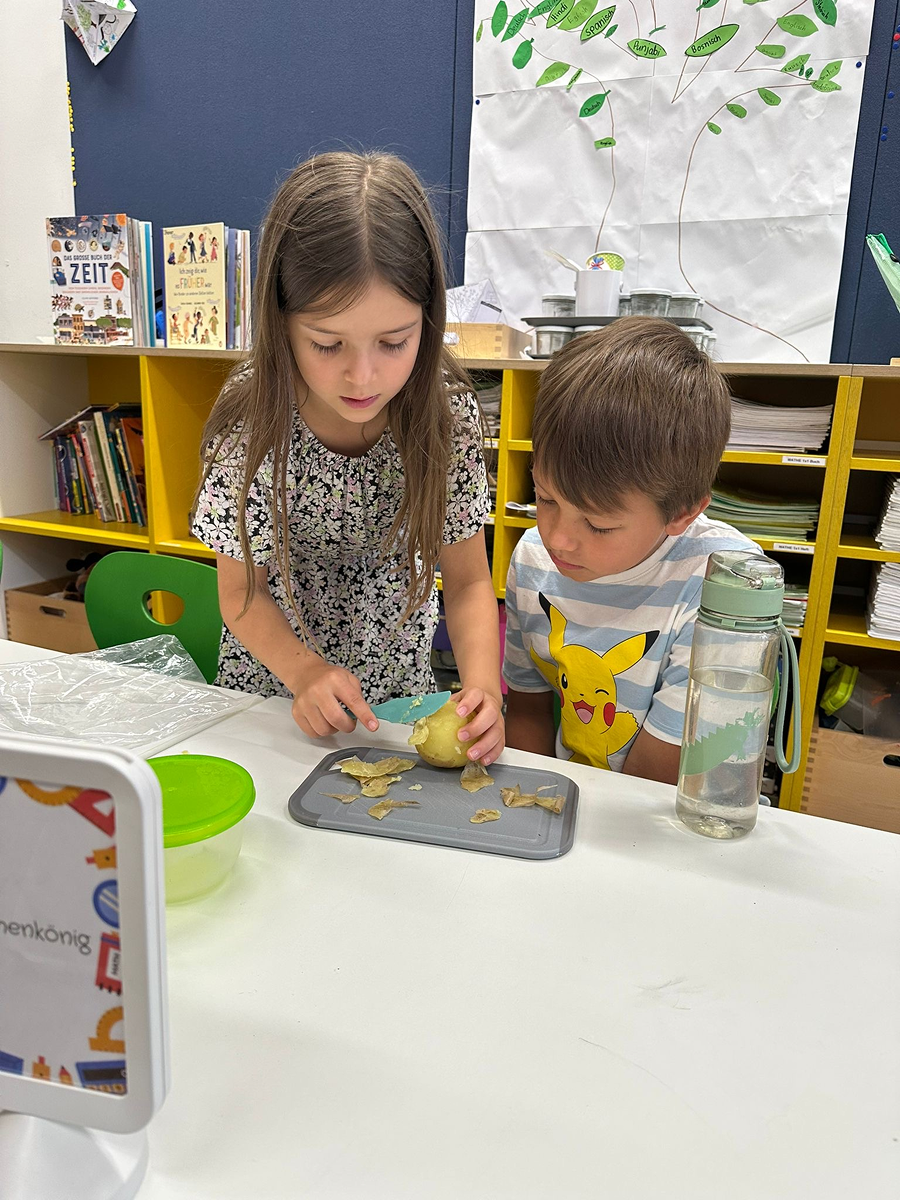
The PYP doesn’t just shape academics - it shapes people. Angelika points to the IB learner profile, which encourages traits like curiosity and empathy. Ilija says the most rewarding part is seeing learners take ownership: “When learners are empowered, everyone learns better.”


Why parents are choosing our school
Families appreciate how the PYP nurtures more than just academic success.
- Richard: “Kids learn to appreciate each other and share with confidence.”
- Thomas: “The IB teaches how to think, not just what to remember.”
- Nicole: “Children explore social issues and keep their love of learning alive.”
Proud milestones
Since becoming a PYP candidate school, we’ve seen incredible growth in many ways:
- A more respectful school climate.
- Cross-grade teacher collaboration.
- School-wide assemblies that showcase student voices.
- International IB training and a network of support.
- Recognition from education officials and growing family interest.
- Authorization visits strengthened our resolve.
- Launching two English-language classes, unique among Austrian public schools.


Looking ahead
Public education in Austria is changing. Once only an option for private schools, the IB is now within reach for more communities. With Ministry support and guidance from experts like Vedrana Pavletic, our school became a national model.
As one of the educators shared, “My older child did well in the traditional system, but something was missing. I’m excited my younger one will experience learning that truly puts the student at the center.”
Advice for other public schools
- Don’t give up. It’s not easy, but it’s worth it.
- Build a strong network. Connect with other schools, coordinators, and mentors.
- Get political support. Having someone in government who believes in your vision is key.
- Make it fit your community. Design the program around your learners’ and families’ needs.
- Believe in the power of change. The IB can transform learners, educators, and entire school communities.
Key takeaways from our PYP journey
- Inquiry sparks engagement - Learners learn more deeply when they ask questions and explore real-world topics.
- IB and national curriculum can coexist - With planning, schools can blend national goals with the IB’s global framework.
- Collaboration enhances teaching - Educators grow through cross-grade, cross-subject teamwork.
- The Learner Profile shapes the whole child - Learners develop into thoughtful, responsible, and compassionate individuals.
- Public schools can lead change - The IB is not just for private schools - public schools can thrive with it, too.
