

By Beth Cross, Assistant Director, Office of Advanced Learning and Gifted Education, North Carolina Department of Public Instruction.
Why this partnership matters
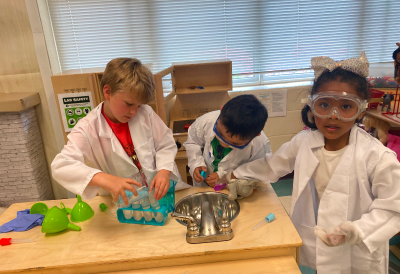
In North Carolina (NC), we believe every student deserves access to high-quality, challenging learning experiences. That’s why the NC Department of Public Instruction (NCDPI) has partnered with the International Baccalaureate (IB) to expand advanced learning opportunities across the state.
This partnership was inspired by a simple yet powerful goal: to make rigorous academic programs, such as the IB, more accessible to students in every corner of North Carolina.
Bringing district leaders into the conversation
As someone who spent over a decade working in district-level advanced academics, I saw firsthand how IB coordinators often carried the full weight of managing their programs. District leaders were rarely involved, not because they didn’t care, but because there wasn’t a straightforward way for them to engage.
Since joining NCDPI in 2018, I’ve worked closely with Laura Lane, IB’s Senior Manager for NC, to change that. Together, we’ve built systems that make it easier for schools to implement IB programs and for districts to support them. When implementation is smooth, students benefit, and that’s what drives our work.
A District IB Leader shared:
“A year ago, I assumed responsibility for overseeing IB programming within our district. The collaborative support provided by the International Baccalaureate Organization (IBO), the IB Schools of North Carolina, and the North Carolina Department of Public Instruction has offered continuous opportunities to deepen my understanding of IB programming across multiple levels.
The establishment of the District IB Leader Network has united leaders from both rural and urban districts, fostering a supportive environment for sharing ideas, posing questions, and engaging in collective problem-solving. The relationships developed through this network have facilitated visits to other districts to observe their practices firsthand, participation in IB events to see the program in action, and ongoing virtual meetings and discussions that promote sustained collaboration and professional growth.”

Creating a network for collaboration
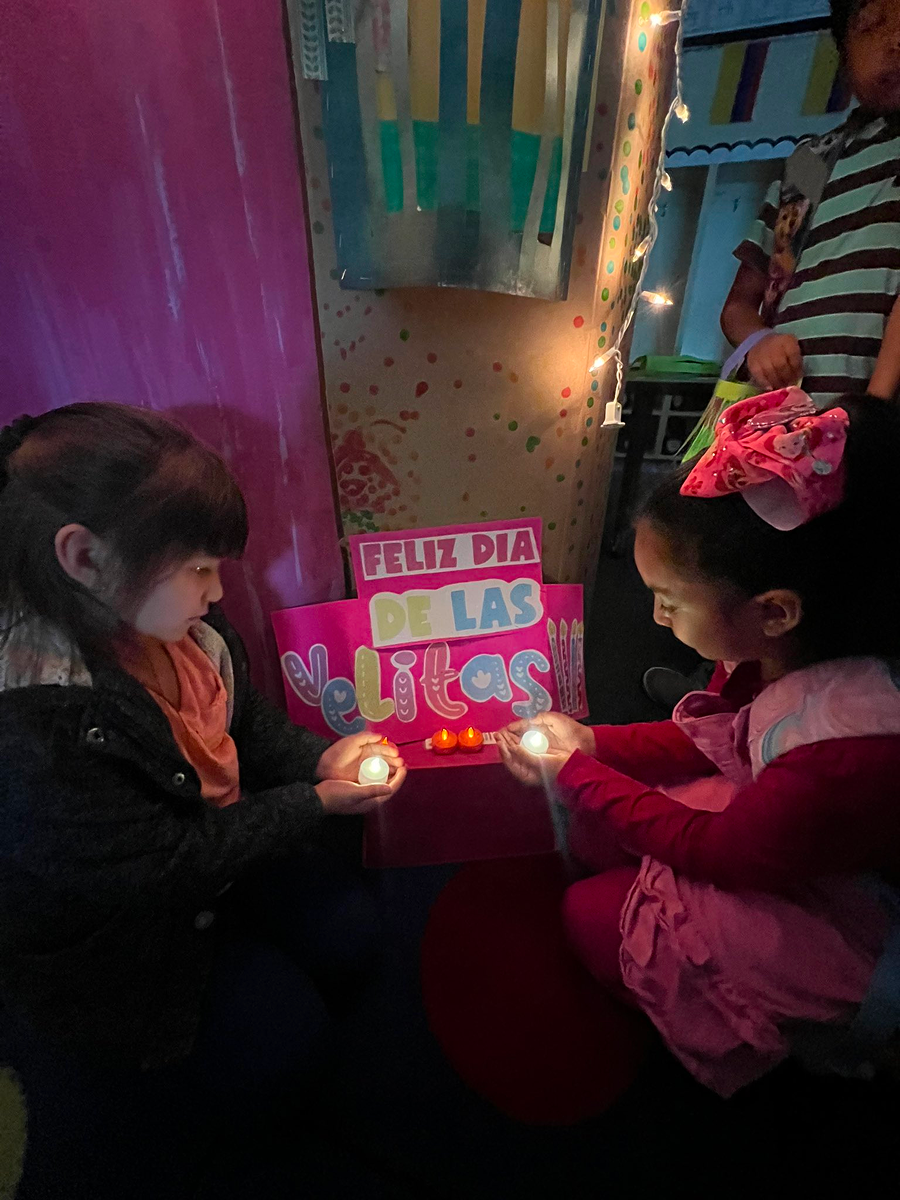
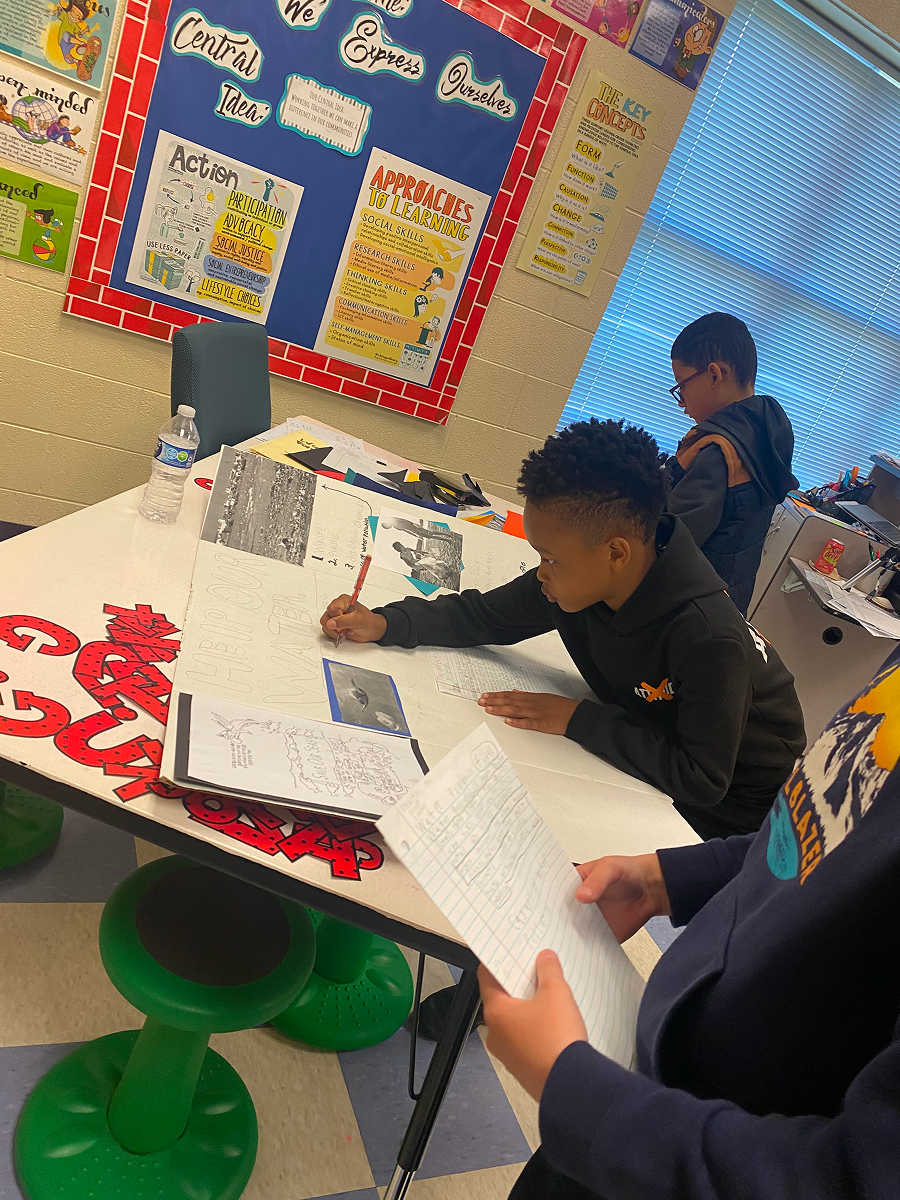
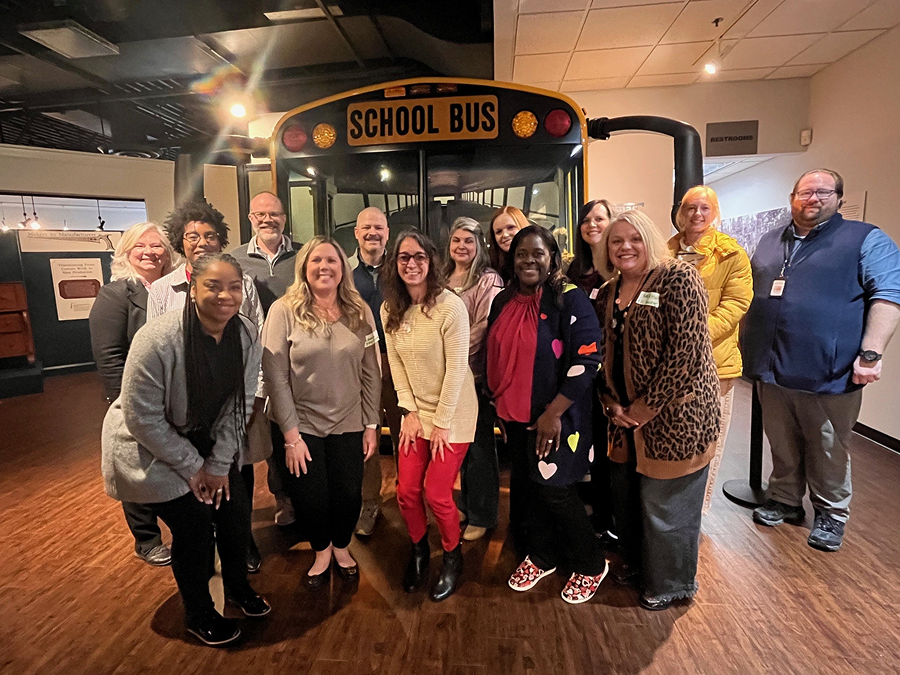
One of our biggest successes has been creating the District IB Leader Network. This group meets quarterly and includes district leaders, IB staff, and representatives from the North Carolina Association of IB World Schools (IBSNC). These meetings are a space for sharing updates, celebrating successes, and discussing challenges. They’ve helped district leaders feel more connected and empowered to support their schools.
Supporting the unsung heroes
Amy Pasko, a school IB coordinator, who also serves as the president of the North Carolina Association of IB World Schools (IBSNC) said: “Serving as a school coordinator can sometimes be a lonely job. IB Schools of NC (IBSNC) provides a vital community for coordinators across the state to collaborate and support one another. The value of this association has grown significantly with the addition of Beth’s role as a liaison between NCDPI, IBSNC, and the IBO.”
“Before, coordinators often found themselves navigating a complex web of district, state, and IB policies, sometimes receiving conflicting guidance. Now, they have a direct point of contact. Beth brings all the key players to the table, advocates for schools, and influences policies on issues like course codes and equivalencies, areas where IBSNC alone couldn’t always make headway.”
“The role of a coordinator is already vast. They shouldn’t also have to be experts in state policy. Having someone at NCDPI who understands their challenges allows us to focus on what matters most: supporting students and teachers. It also frees up IBSNC to concentrate on fostering collaboration and professional development.”
Training that meets local needs
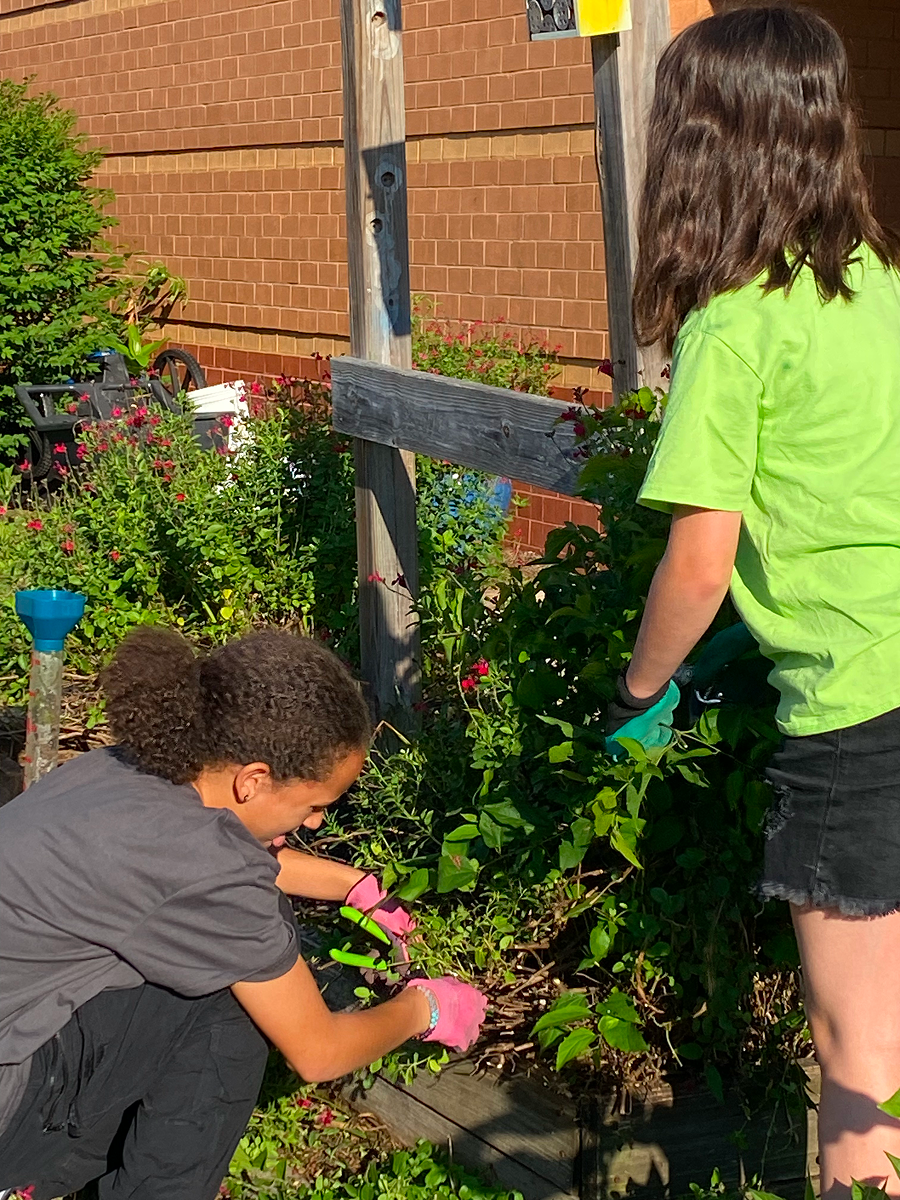
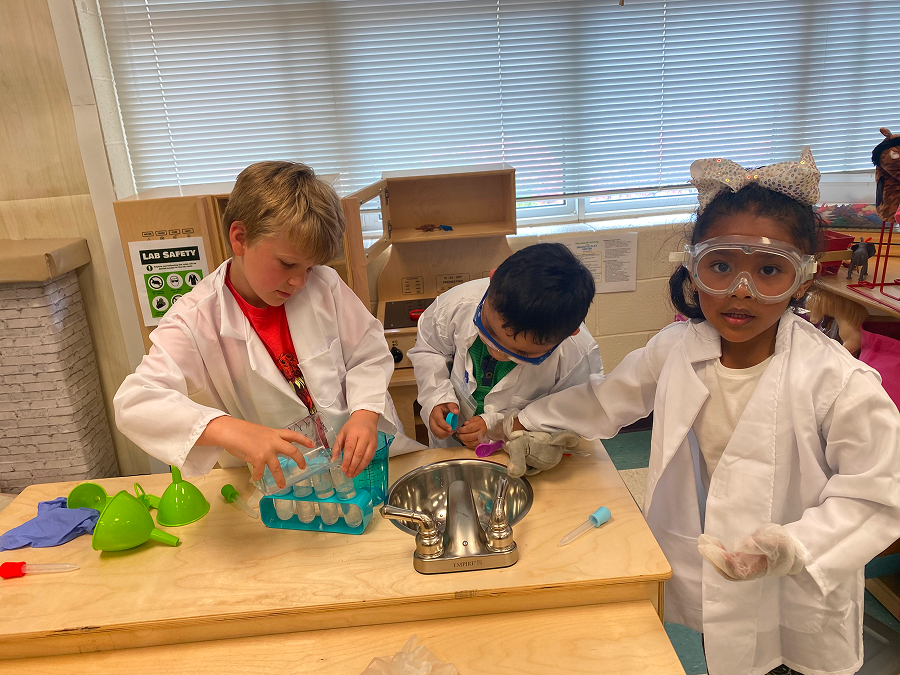
We’ve also focused on local training. IBSNC listens to educators across the state and brings in trainers to meet their specific needs. These sessions help teachers grow professionally and strengthen their ability to deliver high-quality IB instruction.
Expanding excellence at the core
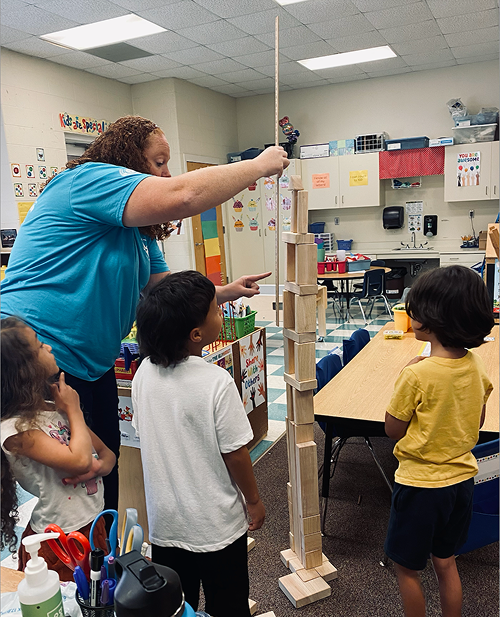
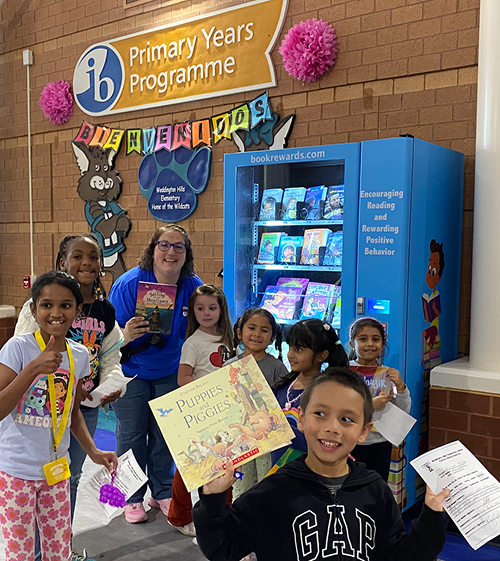
Increasing access to advanced learning opportunities through mindsets, policies, and practices is at the heart of our work. Our strategic initiative, launched in 2019, aims to expand access to advanced learning for all students. This aligns with our state superintendent’s broader vision for academic excellence and our state’s strategic plan: Achieving Educational Excellence . We’re seeing real results: more students enrolling in IB programs, more schools joining the Career-related Programme (CP), and more district involvement during IB authorization visits.
Looking ahead
We’ll continue to grow our network, offer targeted training, and document promising practices. We’re also exploring data to understand better where we can improve. There’s still much to do, but we’re excited about the future.
For other education departments or regions considering similar work, my advice is simple:
“Focus on your mission. Identify what’s missing. Take a step to fill that gap. Then do it again.”
Takeaways from North Carolina’s IB partnership
- Intentional Leadership: The partnership between NCDPI and IB was built on a clear purpose, to expand rigorous learning opportunities statewide. This intentionality drives collaboration among state, district, and school leaders.
- High-quality instructional materials: The District IB Leader Network equips district staff with knowledge and tools to support schools, while NCDPI helps clarify policies like course codes and equivalencies.
- Commitment to professional learning and growth: IBSNC delivers professional development based on local needs, ensuring teachers and coordinators have the tools to implement IB programs effectively.
- High leverage opportunities for students: Strategic initiatives focus on increasing access and excellence in advanced learning for all students.
- Mindset of high expectations and continuous improvement: Early successes—higher enrollment, more CP programs, stronger district engagement—reflect a commitment to ongoing improvement and high expectations for all learners.
