

By Jason Fuller, IB Diploma Programme Coordinator and teacher, Horton High School, Nova Scotia, Canada.
Cultivating connection, confidence, and readiness
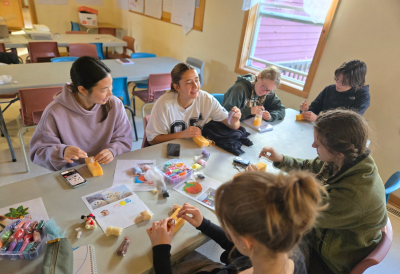
Each fall, our IB cohort heads to Camp Mockingee for the IB Launchpad, a three-day experience designed to prepare students academically and support their well-being as they begin their IB journey. This year’s camp blended subject-specific learning, skill-building workshops, cultural experiences, outdoor activities, and community bonding, and students described it as both “eye-opening” and “confidence-building.”
Clear academic preparation: understanding the DP from day one
Students often arrive at the Diploma Programme (DP) with big questions, such as what major assignments will look like? How difficult is the workload? What does the IB expect of me?
At Camp Mockingee, teachers led subject-specific sessions on the curriculum, internal assessments and examination components, giving students a clear, early understanding of what lies ahead. Many said this “demystified” the IB and made the curriculum feel more approachable.
Students also participated in an Academic Professionalism session that helped set expectations for ethical conduct, responsibility, and scholarly engagement. These conversations provided students with a strong foundation and the confidence to embark on their projects with clarity.

Exploring the IB core: learner profile and two-eyed seeing
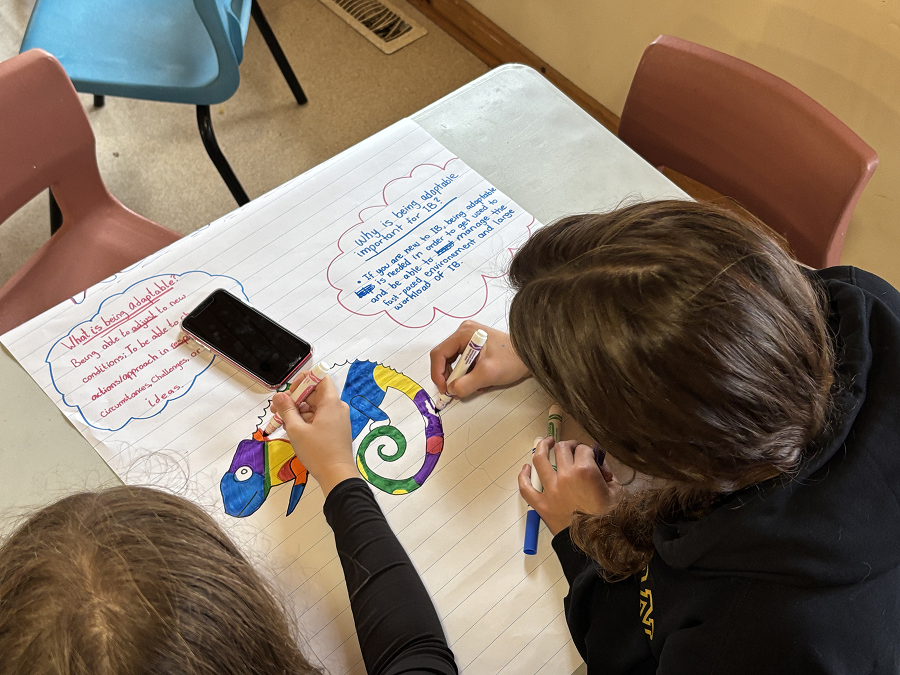
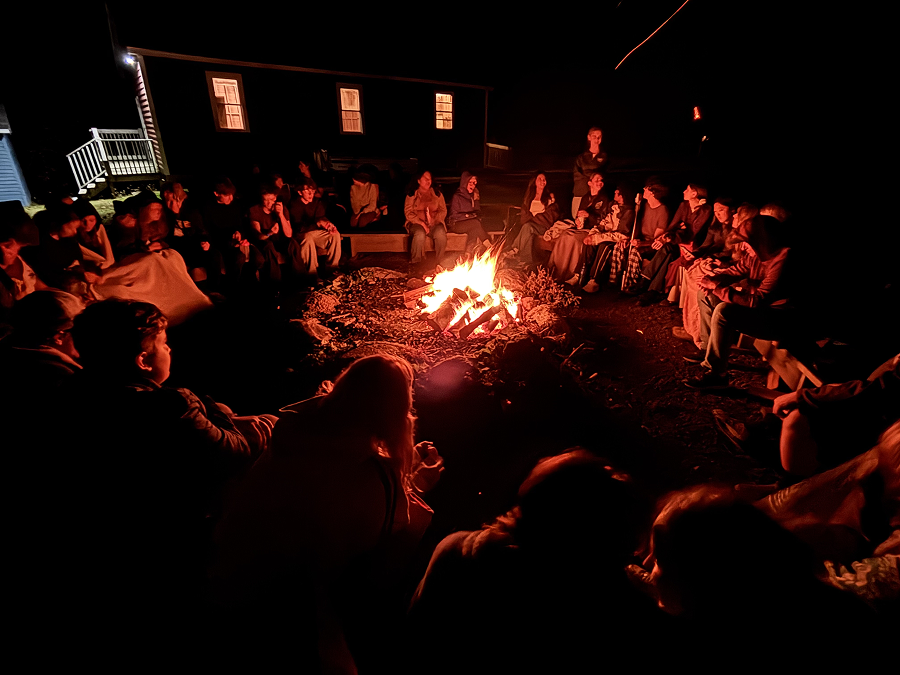
Around the campfire, staff read aloud The Word Collector to introduce the IB learner profile attributes. Inspired by the story, students embarked on a year-long personal project: collecting words that define who they are as learners and how these identities evolve over time.
In a separate Theory of Knowledge (TOK) session, students explored the concept of Two-Eyed Seeing (Etuaptmumk)—a term championed by Albert Marshall, a respected Mi’kmaq Elder. This approach acknowledges that our understanding of the world becomes stronger when we unite traditional ways of thinking with modern perspectives, particularly in the sciences, though its relevance extends far beyond them. Within TOK, this fits into the theme of Knowledge and Indigenous Studies rather than being treated as a mere Way of Knowing.
Many students shared that this exploration deepened their appreciation for IB values such as being inquirers and knowledgeable, while also fostering respect for diverse ways of knowing. By engaging with Two-Eyed Seeing, they recognized the power of integrating multiple knowledge systems to enrich their learning journey.
Essential Skills: Getting Organized with ManageBac and ATL
To support students’ transition into the IB’s demanding workload, staff led practical workshops focused on two key areas:
- ManageBac: Students learned how to organize assignments, track deadlines, and make Initial Entries. Importantly, ManageBac also serves as a platform for sharing subject and core component guides, giving students direct access to the curriculum details and assessment criteria. This transparency empowers students with greater agency, helping them understand not just what they are learning, but why—and how they will be assessed.
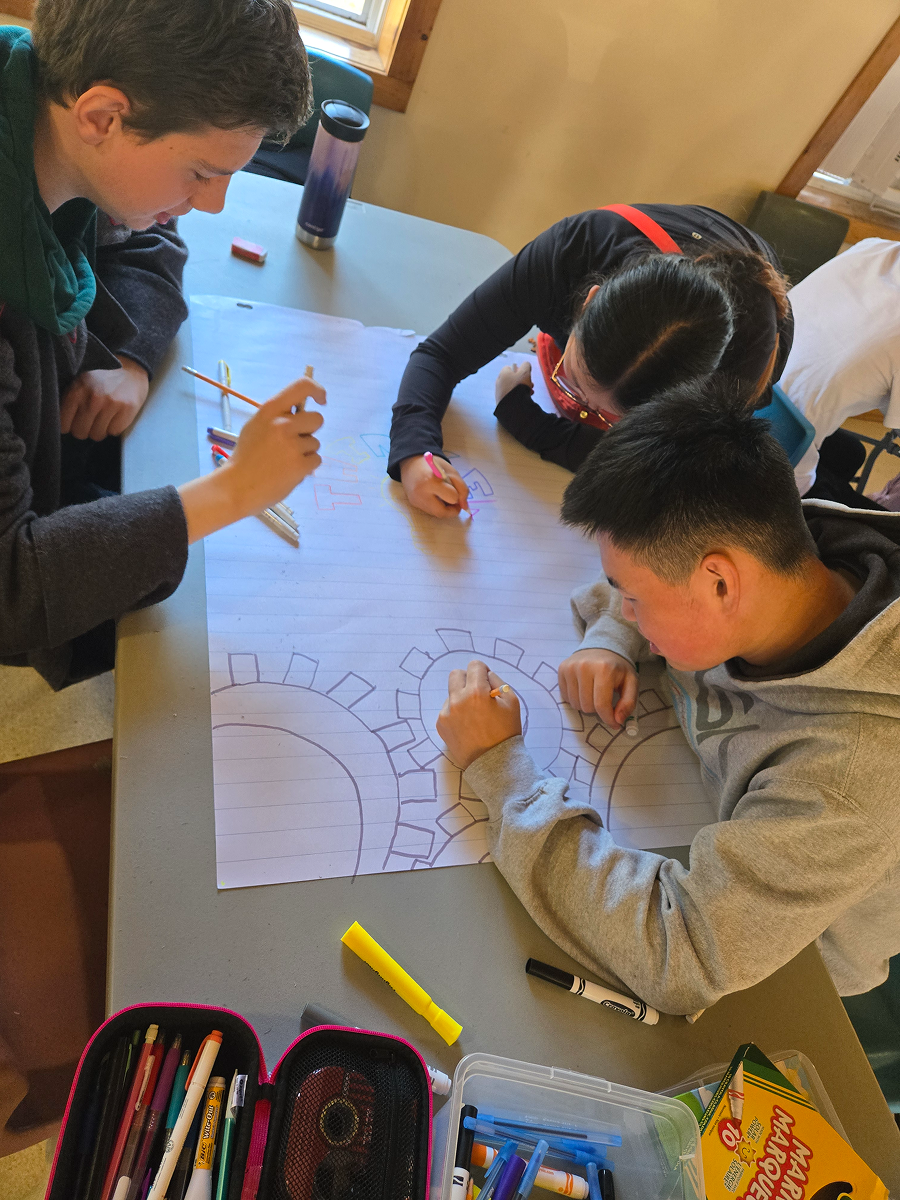
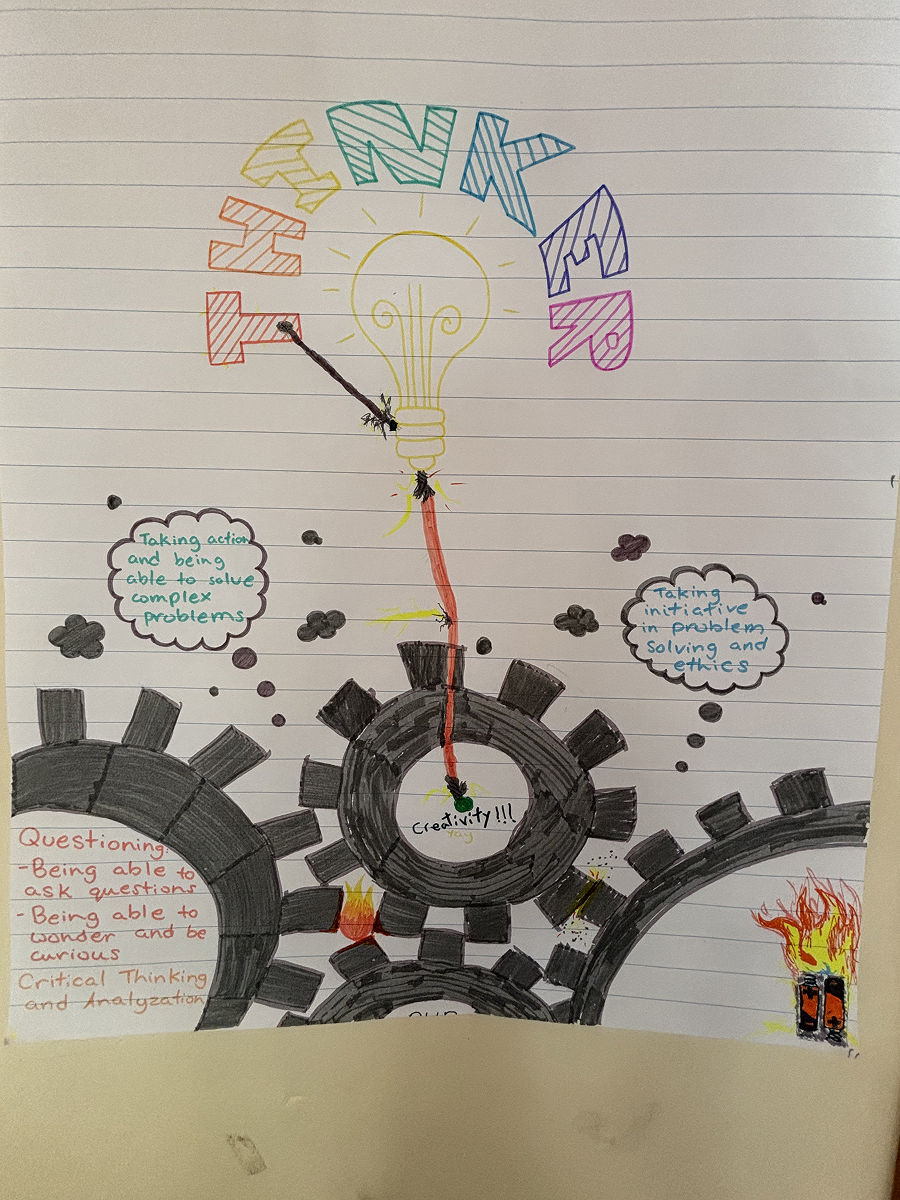
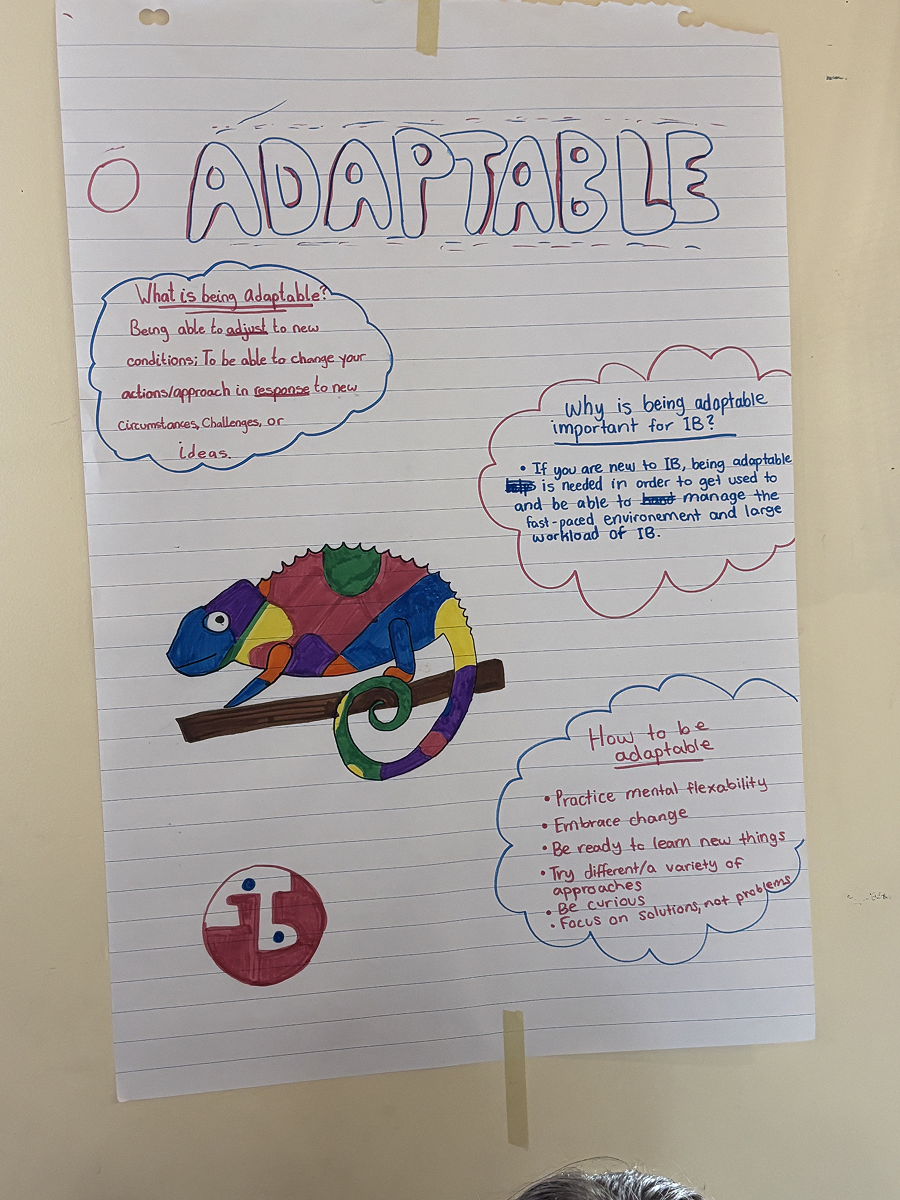
- Approaches to Learning (ATL): Workshops introduced strategies for time management, critical thinking, collaboration, and self-management—skills essential for success in the IB programme.
Students reported that these sessions made them feel significantly more prepared to manage their workload and navigate the year ahead with confidence.
Building community: connections that strengthen learning
One of the biggest highlights of the IB Launchpad was the chance to build stronger relationships—both with peers and with teachers.
Students shared that being together outdoors, away from the regular school environment, made it easier to socialize, collaborate, and form genuine friendships. Teachers noted that the informal setting also created meaningful opportunities for conversation and mentorship.
The Talent Show, featuring a memorable staff performance, was a standout moment that helped flatten the usual teacher–student hierarchy and strengthened the sense of shared community.
Experiential learning and well-being: the power of the outdoors
Beyond academics, students embraced the restorative and creative aspects of camp life:
- Morning trail walks and bike rides helped students feel grounded and refreshed.
- Outdoor classes provided a calm, natural backdrop that made focusing easier and learning more enjoyable.
- A session on oral traditions and storytelling with an Indigenous knowledge keeper offered a profound cultural learning experience. This was powerful because oral tradition disrupts Western or Eurocentric assumptions about what counts as the most valuable ways of knowing. Unlike propositional knowledge found in textbooks, storytelling is real and lived—it is about getting the story right through skill, art, repetition, tone, voice, and integrity. Though not written down, it is as valid as any written source, drawing on imagination, trust, authority, and emotion. Students, who are often accustomed to being told what is “true,” were challenged to see knowledge as something dynamic and embodied rather than static. The ultimate goal is to keep students thinking of themselves as knowers and asking: How do I know what I know? What shapes my perspective as a knower?
- Hands-on activities—from felting and environmental art installations to exploring limiting reagents while making s’mores—made learning memorable and fun.
Students reported that these experiences reduced stress, supported their well-being, and strengthened their sense of connection to the IB community.
Takeaways
- Clear expectations build confidence
Early introductions to curriculum content, IAs and major assessments helped students feel prepared rather than overwhelmed. - The IB core comes alive outdoors
The Learner Profile and concepts like Two-Eyed Seeing were easier to connect with in a relaxed, reflective setting. - Practical skills matter
ManageBac guidance and ATL skill-building gave students the tools they needed to stay organized from the start. - Community strengthens academic success
Building relationships with peers and teachers created a supportive foundation for the challenges ahead. - Well-being supports learning
Time spent in nature, engaging in creative activities, and sharing experiences helped reduce stress, improve focus, and build resilience.
The IB Launchpad didn't just prepare students for the academic program; it helped them feel part of a caring, dynamic community.
As one student shared, “IB isn’t just hard work; it’s being part of something greater than yourself.”
